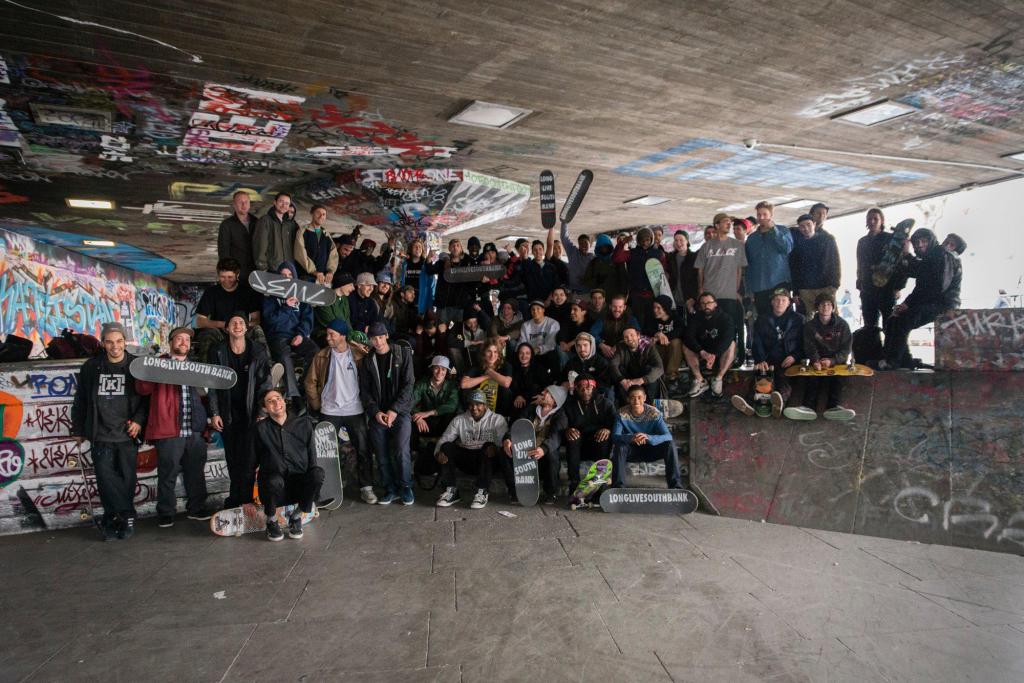
DIY skateboarding in the UK has always been about flipping the script on the council. Skaters find the dead zones, demolished buildings, underpasses, council oversights, and then pour their own concrete, because these spots never came with a warranty. The lineage dates back to the early ’70s, when London’s Southbank Undercroft was claimed and never let go. It wasn’t a skatepark; it was an accident of architecture, but as always, skaters saw more in the shadows and made it theirs. Decades of battles later, the Long Live Southbank campaign turned that occupation into a cultural landmark, a global case study in how a scene outlasted the London planning department.
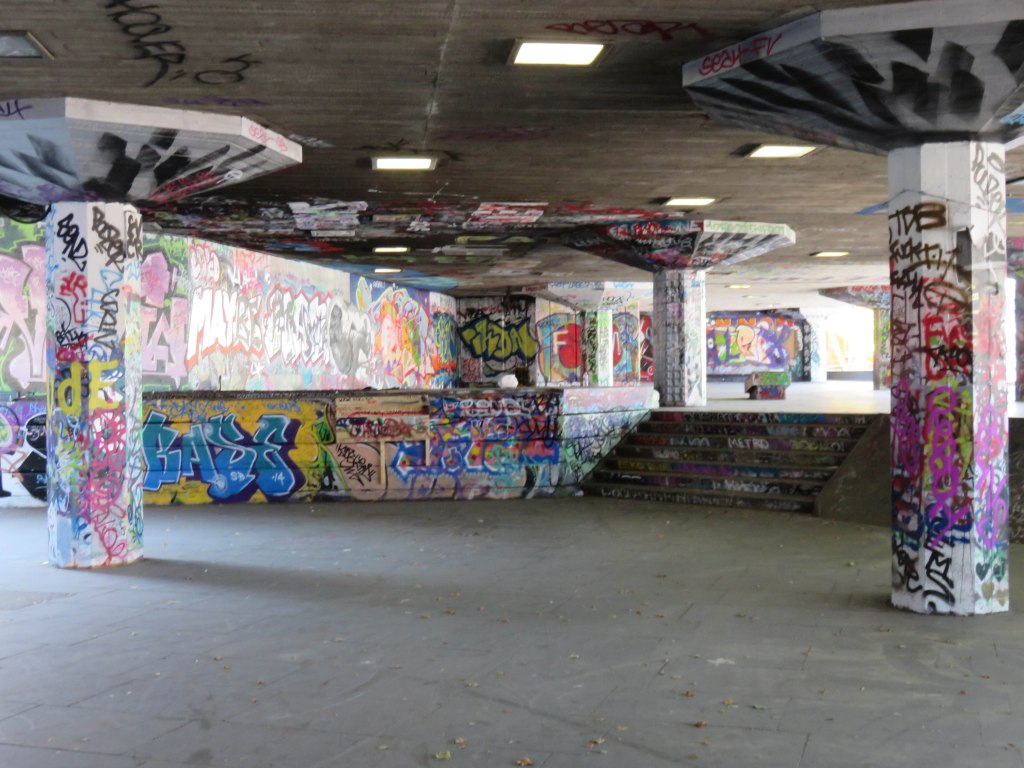
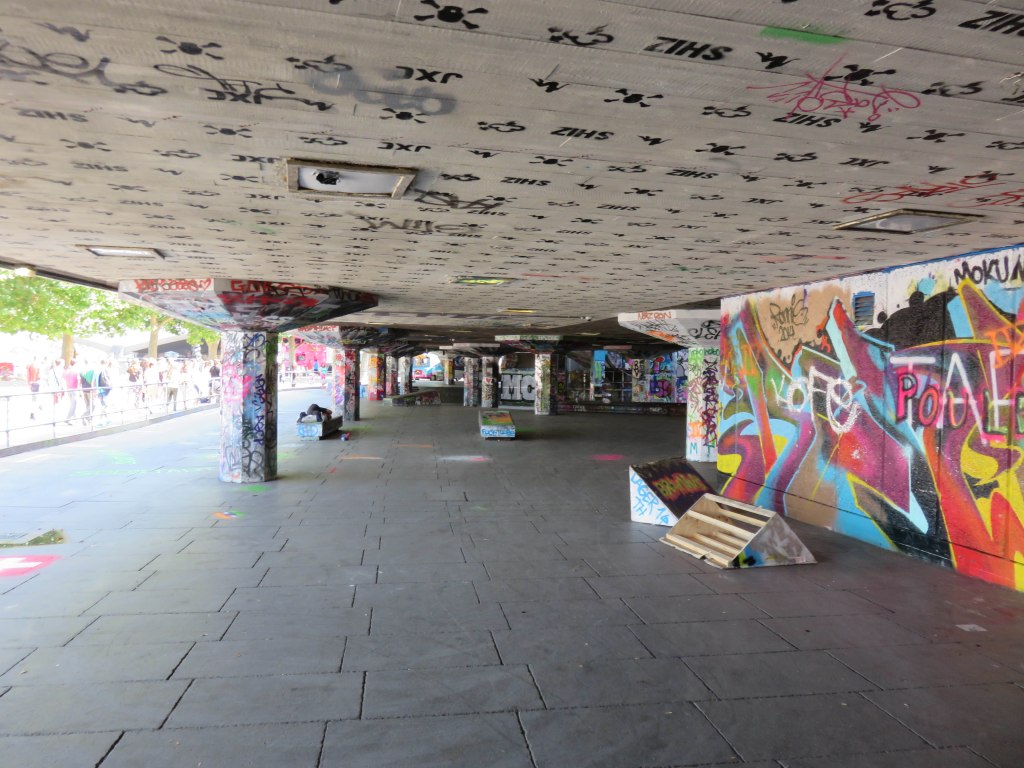
So why keep building DIY? The answer’s easy to break down, but seemingly hard to understand for those who don’t skate. First, most UK outdoors rarely scratch the itch, far too many prefab ramps, not enough flow, and far too many completely un-skateable spaces. Just ask Ash Mercer. Second, the process of building a DIY skatepark in itself builds more than just some crusty pole jams; it forges community. Most of the time, it’s a group of devoted locals that just want somewhere to skate obstacles they actually WANT to skate without being bothered by either security, the council, or a fucking 6-year-old on a scooter. Third, DIY builds force the life back into the forgotten corners of most UK cities. Hackney Bumps, ‘The Slab’ at Dean Lane, all proof that skaters see potential where the city sees dead weight. These projects flip neglect into something useful. In my opinion, it’s a good argument to put to most councils that claim budget issues are the reason we don’t have more skateparks. If we can build it on a few spare fivers, why can’t they?
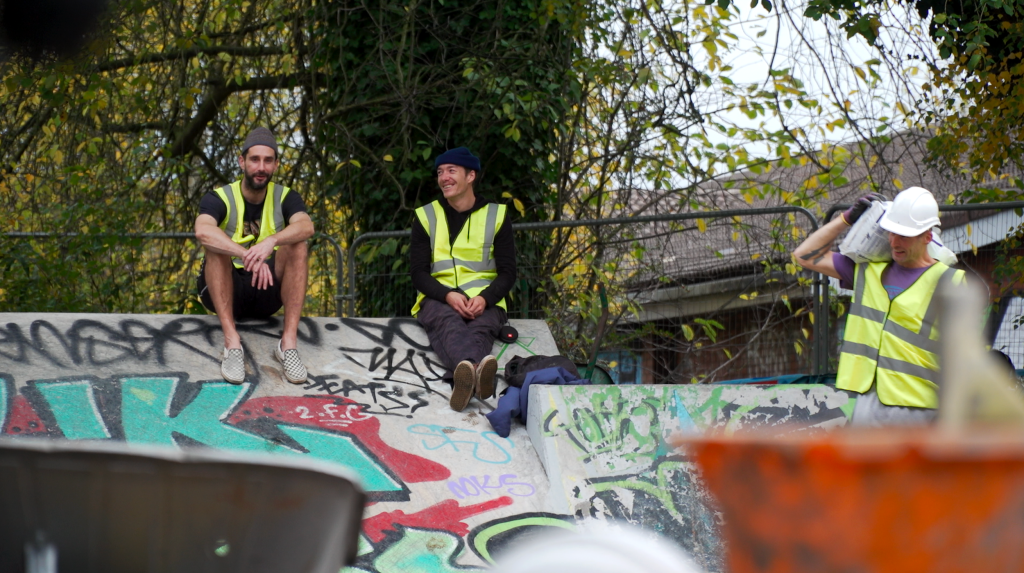
The culture around it is pure resourcefulness welded to civic pride. Funding comes in the form of pretty much whatever the locals can scrape together, with the odd brand kick-in or local grant, but that’s rare. Out of that grow jams, video parts, and most importantly, some absolutely core teenage memories. Southbank showed how grassroots pressure can blend with institutions; elsewhere, locals form CICs, handle insurance, and learn the language of liability. Birmingham’s Bournbrook is the milestone, what started as wild slabs of concrete now stands as the UK’s first officially sanctioned DIY, proof that volunteer labour can meet British Standards when councils are willing to meet skaters halfway.
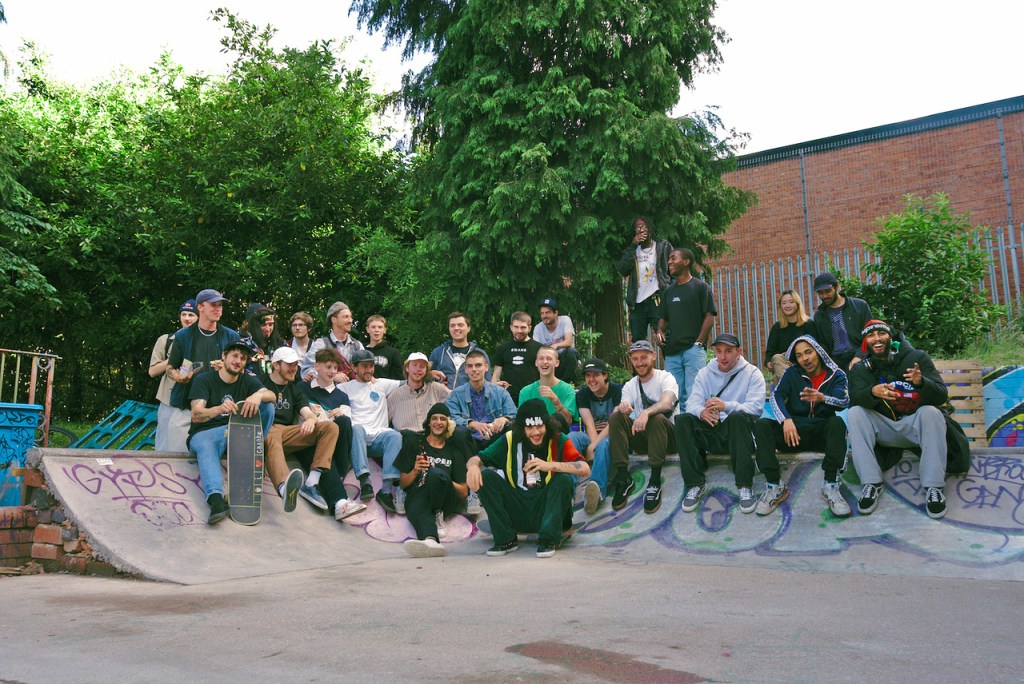
And yet, for every success story there’s a looming dark cloud. DIYs disappear for the same handful of reasons: insurance fears, redevelopment schemes, regeneration optics, or simply no dialogue. Margate’s ‘Little Oasis Crazy Skate’ was bulldozed under the banner of “safety,” despite reports saying it could’ve been salvaged. Wickside in Hackney got erased to make way for Olympic legacy infrastructure. Glasgow’s Kingston has stared down lockouts. It’s always the same dance: DIYs are loved by locals, but what the people want doesn’t seem to be enough in most cases.
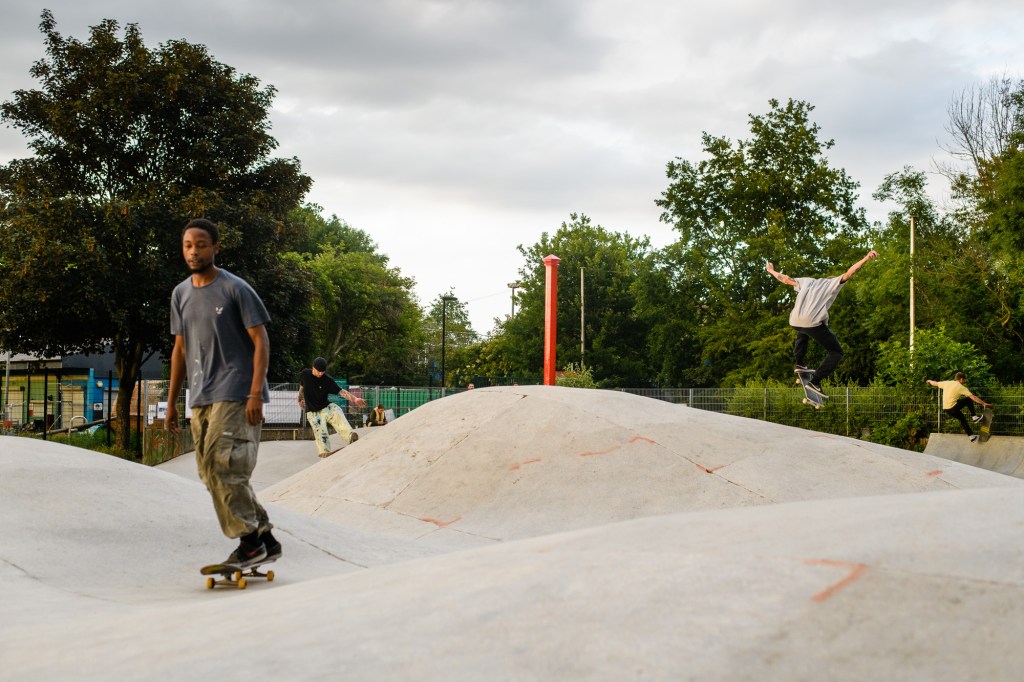
Zoom out, and you see two poles. On one end, Southbank and Bournbrook: legitimised, defended, and held up as cultural assets. On the other hand, Margate and the rest: erased overnight, treated as temporary trespass. The difference? Organisation. Paperwork, audits, a legal entity, a story about public value. When those pieces work together, the DIYs get to stay. When they don’t, you’re left with a pile of rubble, stories, and memories. That’s the brutal poetry of UK DIY: built from nothing, held together by community, and always just one ass hole who’s never stepped on a board away from being gone.
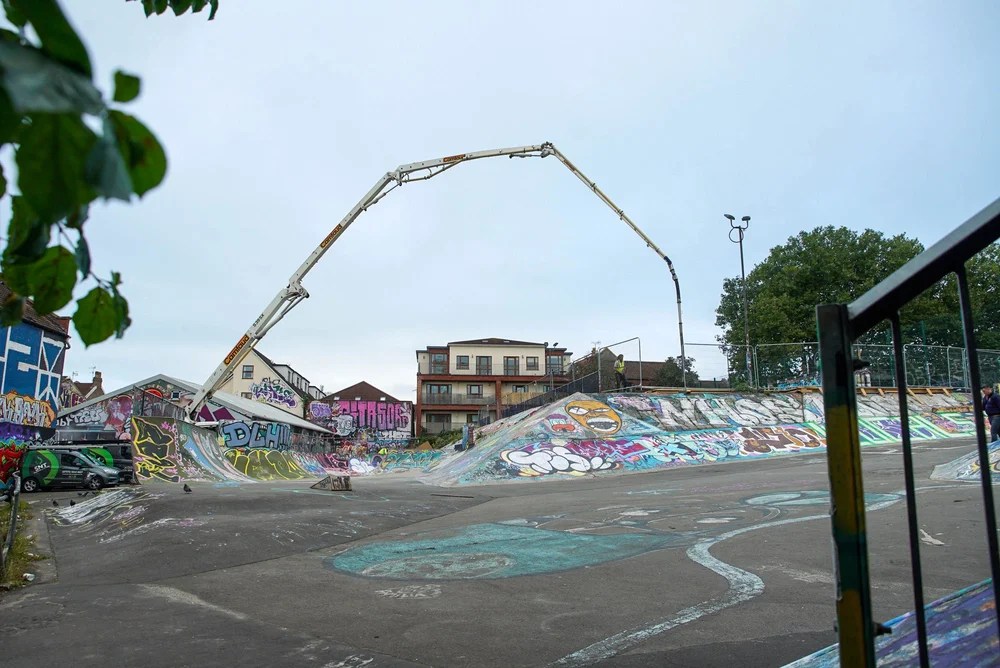
I’m lucky enough to live less than a three-minute walk away from an absolute pearl of a DIY skatepark; most of the photos below (coming soon) are taken there. Yet, I always have that constant timer in my head, which tells me that, considering the nature of DIY skateparks and their lifespan, it likely won’t be there for long.
 Dominic Daniel
Leave a comment